
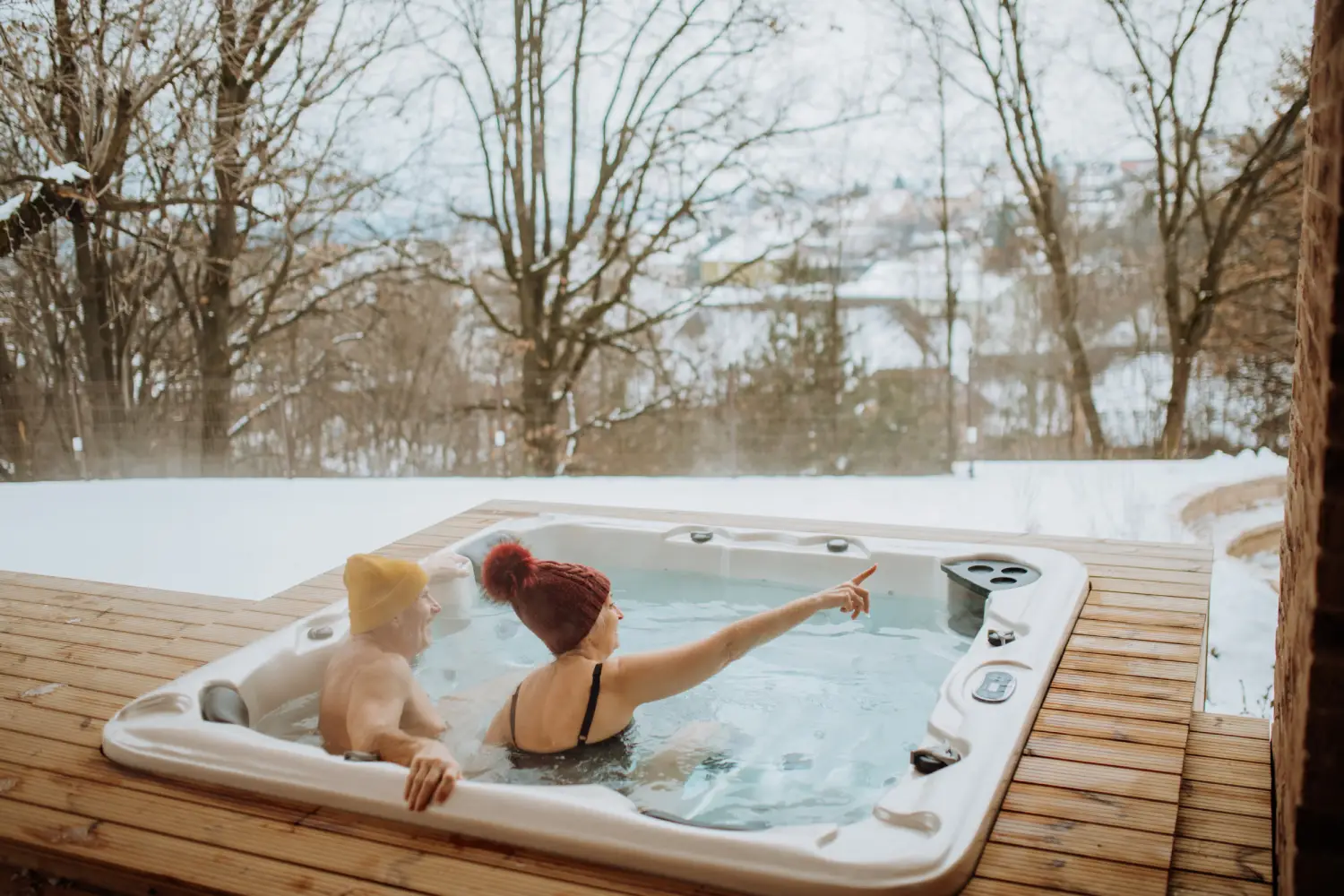
If you’ve ever pictured yourself sinking into warm, bubbling water after a long day, you know why hot tubs are such a backyard favorite. But before you dive in, there’s a lot to consider.
From choosing the right model and understanding costs, to maintenance, modern features, and even rental options, this guide will walk you through everything you need to know about hot tubs in Barrie.
Whether this is your first tub or you’re upgrading your current setup, you’ll get the full picture here.
What Makes a Hot Tub, Well… a Hot Tub?
At its core, a hot tub is a heated water spa designed for relaxation, hydrotherapy, and social enjoyment. But they come in more shapes and sizes than most people realize.
Some are freestanding, portable models you can place on your deck. Others are built into the ground for a more integrated look. Materials range from durable acrylic to classic wood finishes, and seating can accommodate anywhere from two to eight people comfortably.
A lot of first-time buyers underestimate the importance of hydrotherapy options. This includes positioning of jets, the depth of the seating, and even the tub’s shape. All of these affect your comfort and muscle recovery. That’s why a visit to a showroom or a trial soak is always worth it.
Hot Tubs Aren’t Just About Relaxation
Sure, the warm water feels amazing and can be a great way to unwind after a long day. But the benefits of a hot tub go far beyond comfort:
1. Stress Relief You Can Feel
Soaking in a hot tub does more than calm you emotionally. Warm water immersion can release of endorphins (your body’s natural “feel‑good” hormones), while lowering stress hormones like cortisol. People often describe it as a mental reset after a busy day, and that’s backed up by wellness experts who highlight hydrotherapy’s calming effect on the nervous system.
PRO TIP: To help further reduce stress add in some aromatherapy and soothing music.
2. A Better Night’s Sleep
If tossing and turning is familiar, the science around hot tubs and sleep might surprise you.
When your body warms up in hot water and then cools down as you exit, that rapid change can signal to your brain that it’s time to rest. One study recommends scheduling a quick hot tub session (under 18 minutes) before bedtime to give your body the best chance to cool and cue sleep naturally.
3. Muscle Recovery That Doesn’t Feel Like Exercise
You’ve probably heard athletes talk about hydrotherapy for recovery and there’s a physiological reason why. Warm water increases blood flow, helping oxygen and nutrients reach tired muscles faster and buoyancy reduces strain on joints.
Research suggests that heat therapy like this can meaningfully ease muscle soreness after activity, sometimes better than traditional cold treatments.
4. Circulation and Heart Health
The heat from your hot tub causes blood vessels to widen, which helps improve circulation and temporarily lower blood pressure. Some long‑term studies have even linked frequent hot water immersion with a meaningful reduction in cardiovascular risk over time. These effects are in the same ballpark as moderate exercise.
That doesn’t mean a hot tub replaces your gym sessions, but it does mean your regular soak plays a supporting role in your overall cardiovascular wellness.
5. Social and Emotional Connection
This one isn’t just “nice to have.” Humans are social creatures, and shared relaxation, whether it’s family time on a weekend evening or an easy conversation with a partner after dinner, builds connection. Unlike many wellness habits that are solitary, hot tubs invite shared experience.
And that matters because social connection isn’t just good for mood. Studies link strong social bonds with better long‑term health outcomes.
Cost: What to Expect and What You Might Forget
A hot tub isn’t just a purchase, it’s an investment in your home and lifestyle. And like most home upgrades, the real cost isn’t just the sticker price. Understanding the different cost categories ahead of time helps you plan properly and avoid surprises later.
Here are the main costs most buyers should expect:
The hot tub itself
The biggest factor is the tub you choose. Size, build quality, insulation, jet systems, and technology all influence price. Entry-level models focus on basic relaxation, while premium models tend to include advanced hydrotherapy, better energy efficiency, and longer warranties.
This is also where buying from a reputable dealer matters. A well-built hot tub often costs more upfront but can save money long term through better efficiency and fewer repairs.
installation
Installation is where many first-time buyers realize there’s more involved than they expected. A hot tub needs:
- A solid, level base (think concrete pad, patio, or reinforced deck)
- Electrical hookup by a qualified electrician
- Proper drainage planning
Some homeowners also choose to add privacy screens, steps, or landscaping at the same time, which can add to the initial investment but greatly improve the experience.
Monthly operating costs
Owning a hot tub comes with ongoing operating costs, but these are usually predictable and manageable when properly maintained. These typically include:
- Electricity to keep water heated
- Water care products
- Replacement filters
- Occasional water changes
Energy efficiency plays a big role here. Well-insulated tubs with quality covers and efficient pumps typically cost less to operate over time.
Maintenance and servicing
Some owners handle maintenance themselves, while others prefer professional servicing. Either way, it’s smart to plan for:
- Regular filter cleaning or replacement
- Water testing and balancing
- Seasonal servicing like drain and refill
- Occasional part repairs over the life of the tub
Even if you’re comfortable doing basic care yourself, having access to professional service when needed is important.
The costs people often forget
There are also a few smaller costs that people don’t always think about at first:
Things like steps, cover lifters, water testing kits, or upgraded covers can make a big difference in convenience and longevity. Many owners also end up adding accessories over time once they see how often they use their tub.

Modern Features and Energy Efficiency
Hot tubs today are almost like outdoor living rooms. Modern models focus just as much on comfort and convenience as they do on relaxation, with features designed to improve both your experience and long-term operating costs.
Some of the most popular features to look for include:
LED lighting systems: Built-in lighting can completely change the atmosphere, whether you want a calm evening soak or a more social setting with friends.
Smart controls: Many newer models allow you to control temperature, jets, and lighting right from your phone, making it easy to have your hot tub ready when you are.
Hydrotherapy jet customization: Not all jets are created equal. Premium tubs often allow you to adjust pressure and positioning to target specific muscle groups.
Integrated sound systems: Some models include Bluetooth audio so you can listen to music, podcasts, or ambient sounds while you relax.
Energy-efficient insulation: Quality insulation helps retain heat, which reduces how hard your heater has to work and lowers monthly electricity costs.
Efficient pumps and circulation systems: Modern circulation systems use less energy while keeping water clean and properly heated.
Well-designed covers: A properly fitted, insulated cover is one of the simplest ways to improve efficiency and reduce heat loss.
Energy efficiency is often overlooked during the buying process, but it can make a significant difference over the life of your hot tub. A well-built, properly insulated model may cost more upfront, but it can save money year after year in operating costs.
Placement, Decks, and Outdoor Design
Where you put your hot tub can completely change how often you use it. The right placement doesn’t just make your backyard look better, it turns your hot tub into a space you actually look forward to using.
Some homeowners create a quiet retreat, tucking their hot tub into a private corner surrounded by landscaping or privacy panels. Others build it right into their main deck so it becomes the natural gathering place when friends come over. There’s no single right answer, it really comes down to how you want to use it.
If you’re looking for inspiration, many hot tub owners build their space around experiences like:
A backyard escape: Add privacy screens, pergolas, or strategic landscaping to create a spa-like atmosphere right outside your door.
An entertainment hub: Placing your hot tub near your deck or patio makes it easy to transition from dinner to a relaxing soak when hosting.
A four-season retreat: Gazebos or partial enclosures can block wind and snow, making winter soaks just as enjoyable as summer evenings.
A seamless outdoor living space: Built-in designs, matching decking materials, and coordinated lighting can make your hot tub feel like part of your home rather than an add-on.
Maintenance: The Part No One Loves, But Everyone Needs
Hot tub maintenance sounds intimidating to new owners, but once you understand the routine, it becomes just another small household habit, like maintaining a pool or even a coffee maker. Most of the work is quick, and staying consistent prevents bigger problems later.
Here’s what proper hot tub care typically involves:
Weekly maintenance
These are the quick check-ins that keep your water safe and clear:
- Testing water chemistry (pH, alkalinity, sanitizer levels)
- Adding sanitizer as needed
- Checking water level
- Wiping the waterline if buildup appears
Most of this takes just a few minutes once you get used to it.
Monthly maintenance
This is where you protect your equipment and water quality long term:
- Rinsing or deep cleaning filters
- Inspecting jets for buildup or blockage
- Checking your cover for wear or water absorption
- Doing a more thorough water balance check
Clean filters alone can make a huge difference in water clarity and energy efficiency.
Quarterly maintenance
This is the maintenance many people don’t realize is necessary:
- Draining and refilling the tub
- Deep cleaning the shell
- Flushing plumbing lines if needed
- Replacing worn filters
Fresh water prevents buildup from chemicals and minerals and keeps your system running properly.
Seasonal maintenance
Especially important in Ontario’s climate:
- Winterizing if not using the tub
- Reopening and system checks in spring
- Inspecting covers and seals after winter
- Checking heaters and pumps before heavy winter use
Many owners choose professional seasonal servicing just for peace of mind.
Occasional service and repairs
Even well-maintained tubs may eventually need:
- Pump repairs
- Heater replacement
- Leak detection
- Electrical troubleshooting
- Cover replacement
This is also where having a trusted local service provider becomes important.
A simple rule most owners follow
If you remember nothing else, most hot tub owners succeed by following three habits:
- Test water regularly
- Clean filters consistently
- Change water a few times per year
Do those three things and you’ll prevent most common issues.
If you want to simplify ownership even further, many owners choose professional maintenance services for things like water testing, seasonal servicing, and full inspections.
Try Before You Buy
Buying a hot tub is a big decision, and most people don’t realize there’s a simple way to test the experience before investing: renting one.
A short-term rental gives you a chance to see how often you’ll actually use it, what size works best for your space, and which features really matter to you. Some people discover they want more seating. Others realize energy efficiency or jet placement matters more than they expected.
Rentals are also popular for:
- Family gatherings
- Winter weekends
- Backyard parties
- Trying hydrotherapy for recovery
For some homeowners, a rental confirms they want to buy. For others, it becomes something they do occasionally for special events. Either way, it’s a practical way to make a more confident decision.
FAQs
Here are some of the most commonly asked questions about hot tubs:
Can I use a hot tub year-round?
Yes, most hot tubs are designed for year-round use, though extreme weather may require additional precautions or maintenance.
How long does a hot tub last?
With proper care, a high-quality tub can last 20-25 years, though parts and electronics may need replacement over time. We have some customers with tubs that are 40+ years old.
Can I install a hot tub anywhere in my backyard?
You’ll need a solid, level surface and access to electrical connections. Some local rules may also apply.
Do I need a permit?
Municipalities may require permits for certain installations, especially in-ground models. Always check with local building authorities.
Making the Most of Your Hot Tub
Whether you’re looking for relaxation, a way to improve social gatherings, or health benefits, a hot tub is an investment in your home and lifestyle.
Choosing the right model, understanding costs, keeping up with maintenance, and considering rentals for a trial experience will set you up for years of enjoyment.
At Kerr Splash, we help homeowners in Barrie and the surrounding areas find the perfect hot tub, install it safely, and keep it in top shape.
Ready to explore your options? Visit our showroom or contact us today to start your hot tub journey.